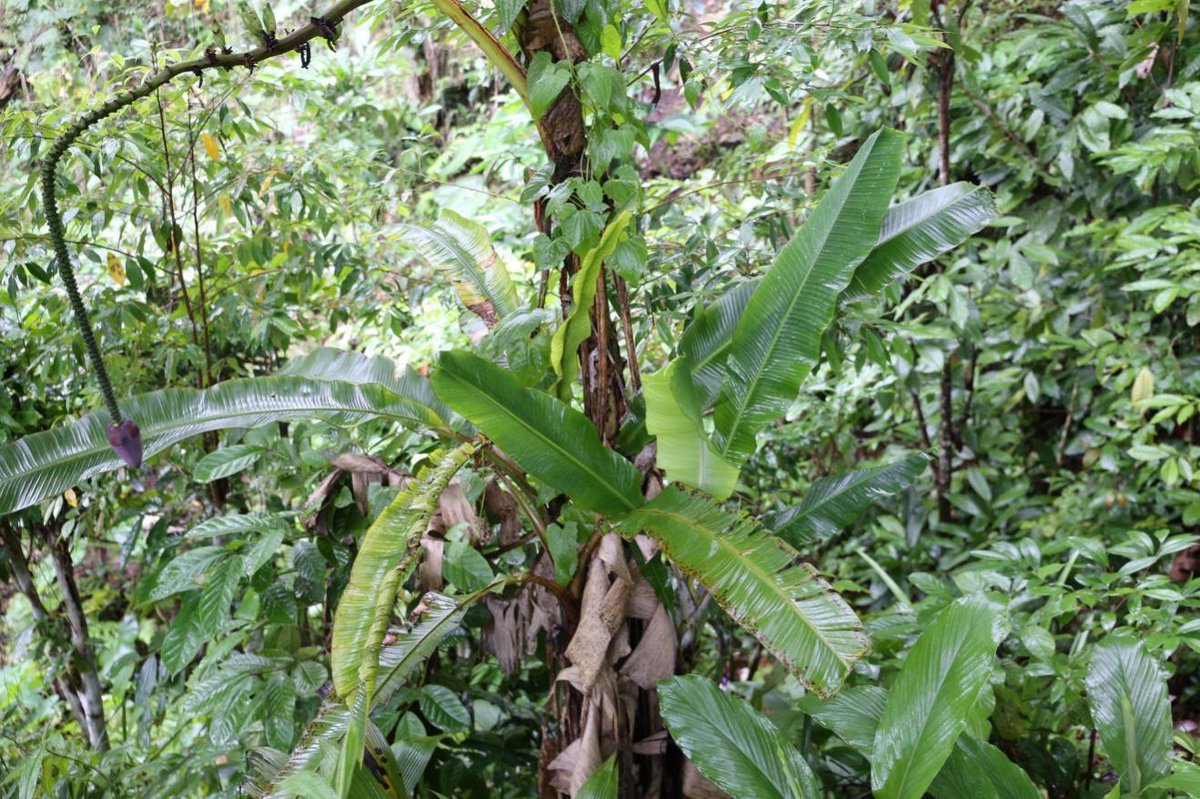
Abaca
Musa textiles
JointNot Provided Height: Not Provided Leaves: Not Provided Flowers: Not Provided Fruits: Not Provided
Medicinal Uses & Benefits
Tonic or retrestorative and invigorating, used to take care of general debility or weakness to women after pregnancy (himoghat). Preparation: The stem is cut near the base /stump. The flesh is then carefully scooped out from the stump to allow the stump to “bleed”, the sap is then collected (ang ampungol sangsangon aron mo duga). Part used: Sucker (ampungol) | Fever (taas nga hilanat). Preparation: The stem is cut near the base /stump. The flesh is then carefully scooped out from the stump to allow the stump to “bleed”, the sap is then collected (ang ampungol sangsangon aron mo duga). Part used: Sucker (ampungol)
Preparation
The stem is cut near the base /stump. The flesh is then carefully scooped out from the stump to allow the stump to “bleed”, the sap is then collected (ang ampungol sangsangon aron mo duga) | The stem is cut near the base /stump. The flesh is then carefully scooped out from the stump to allow the stump to “bleed”, the sap is then collected (ang ampungol sangsangon aron mo duga)
Location & Habitat
Research
Quick Info
- Scientific Name
- Musa textiles
- Local Name
- Abaca
- Family
- Musaceae
- Category
- Joint
- Date Collected
- Jun 28, 2026